



If you drive a Toyota Prius, you probably bought it for one big reason:
Amazing fuel economy.
But then winter comes…
…and suddenly your MPG drops hard.
You might see 55 MPG in summer and then low 40s in winter.
Totally normal.
Let’s break down why this happens and what Prius owners in the U.S. usually experience.
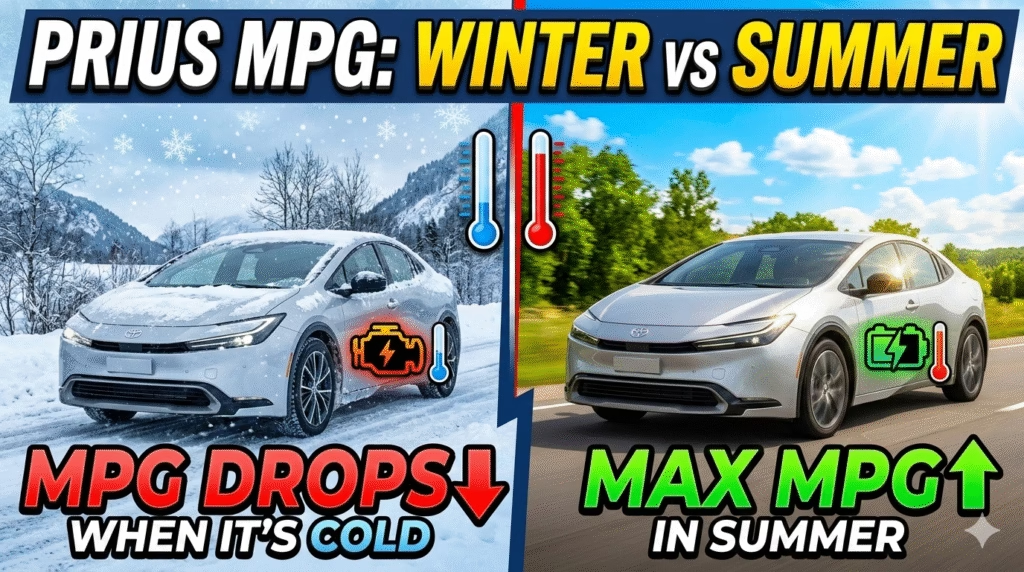
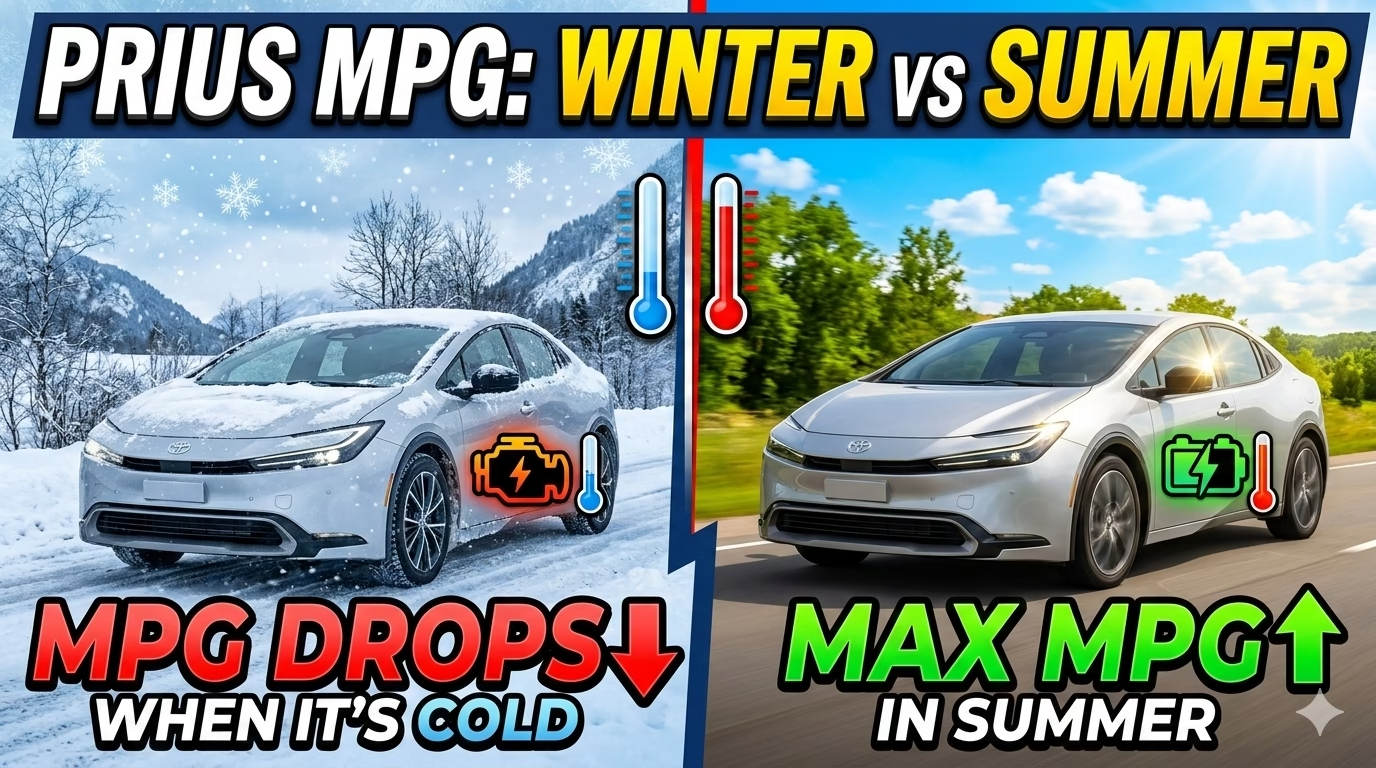
Prius MPG: Winter vs Summer
Here’s the typical MPG difference most drivers report.
| Season | Typical MPG | What’s Happening |
|---|---|---|
| Summer | 52 – 60 MPG | Engine warms fast, battery works perfectly |
| Fall / Spring | 48 – 55 MPG | Normal operating conditions |
| Winter | 38 – 48 MPG | Engine runs longer, heater use |
| Extreme Cold (<20°F) | 32 – 42 MPG | Battery efficiency drops |
Typical MPG loss:
👉 10–15 MPG in winter
If you live in places like Minnesota, Michigan, or Colorado, the drop can be even bigger.
Why Prius MPG Tanks in Winter
Let’s keep it simple.
Winter basically messes with three big things:
- engine warm-up
- hybrid battery performance
- heater usage
And those three together kill MPG.
1. Cold Engine = Gas Engine Runs More
The Prius hybrid system likes warm conditions.
When it’s cold:
- engine takes longer to warm up
- hybrid mode activates less
- electric driving decreases
So instead of cruising silently in EV mode…
your Prius is like:
“Nope… engine staying on.”
Result → lower MPG.
2. Hybrid Battery Gets Lazy in Cold
Hybrid batteries hate cold weather.
When temperatures drop:
| Temperature | Battery Behavior |
|---|---|
| 70°F | Perfect performance |
| 40°F | Slightly weaker |
| 20°F | Noticeable drop |
| Below 0°F | Big efficiency loss |
Cold batteries:
- store less energy
- release power slower
- rely more on the engine
That means more gas usage.
3. Heater Forces Engine to Run
Here’s something most people don’t realize.
Your Prius heater uses engine heat.
So when you turn the heater on:
- the engine must stay warm
- the engine keeps running
- electric mode shuts off more
In winter traffic your car is basically thinking:
“We gotta keep the engine alive for heat.”
4. Winter Gasoline Has Less Energy
In the U.S., gas stations switch to winter blend gasoline.
| Fuel Type | Energy Level |
|---|---|
| Summer Gas | Higher energy |
| Winter Gas | Slightly lower energy |
Winter gas evaporates better in cold weather but:
👉 you get slightly worse MPG
5. Cold Air = More Drag
Cold air is denser.
Denser air creates more aerodynamic drag.
So your Prius needs more power to maintain speed.
This mostly affects highway driving.
Real-World Prius MPG Example
Typical owner results look like this:
| Driving Condition | MPG |
|---|---|
| Summer city driving | 58 MPG |
| Summer highway | 52 MPG |
| Winter city driving | 45 MPG |
| Winter highway | 40 MPG |
Short winter trips are the worst.
If your commute is 5–10 minutes, the engine barely warms up.
That’s when MPG really drops.
Quick Tips to Boost Winter MPG
You won’t fully fix winter MPG…
…but you can reduce the damage.
Drive Right Away
Don’t idle for 10 minutes.
Start the car and drive gently.
The engine warms faster under load.
Use Seat Heaters Instead
Seat heaters use way less energy than blasting cabin heat.
Try:
- seat heaters ON
- cabin temp slightly lower
Check Tire Pressure
Cold air reduces tire pressure.
Low PSI = more rolling resistance.
Check pressure once a month in winter.
Park in a Garage
Even a slightly warmer garage helps.
Benefits:
- battery performs better
- engine warms faster
- MPG improves
Combine Short Trips
Instead of 3 small trips:
Try one longer drive.
Warm engines = better MPG.
Is Prius Still Worth It in Winter?
Absolutely.
Even when MPG drops to 40 MPG, the Toyota Prius still beats most gas cars.
Typical winter MPG comparison:
| Car Type | Winter MPG |
|---|---|
| Prius | 40–48 MPG |
| Compact gas car | 28–35 MPG |
| SUV | 18–25 MPG |
So yeah…
Prius still wins.
See This Also
If you want to compare MPG numbers across different Prius models and years, check this guide:
👉 https://gasmileageguide.com/blog/us/toyota-prius-mpg-by-year-2016-2026/